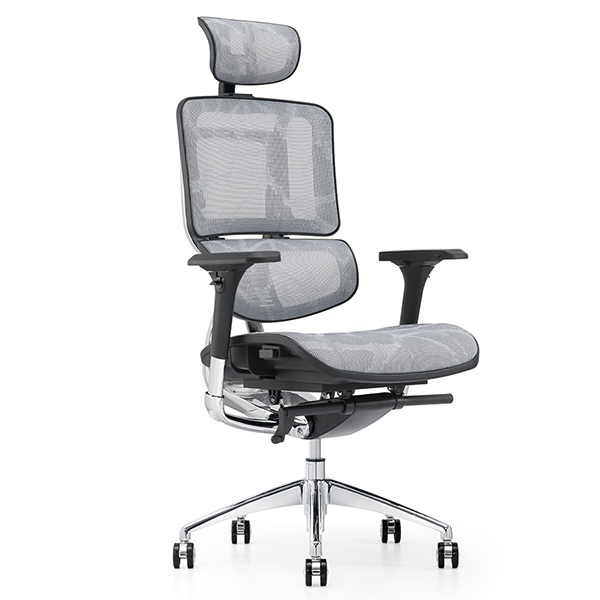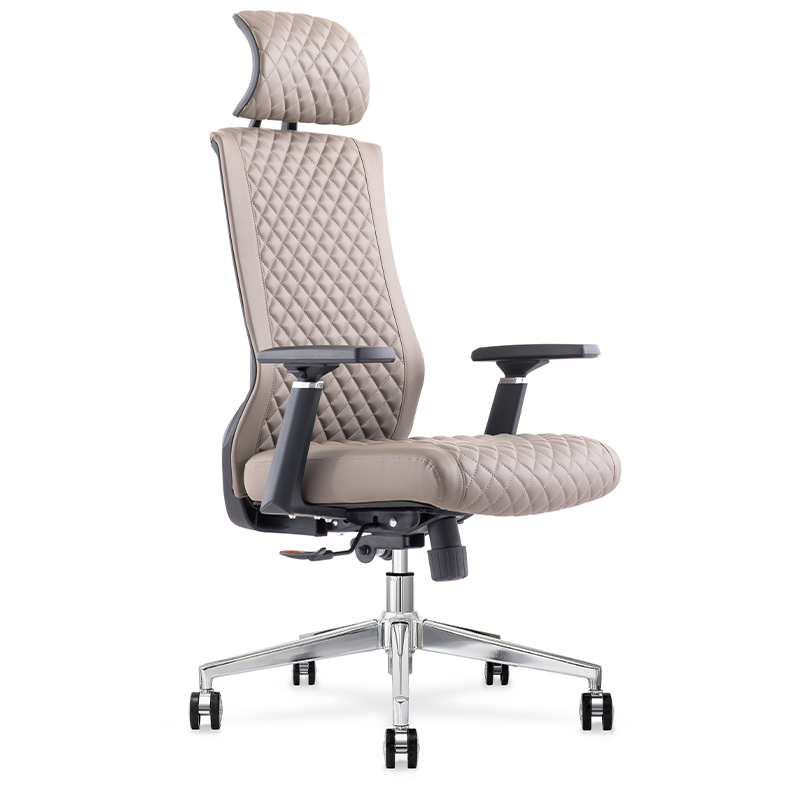
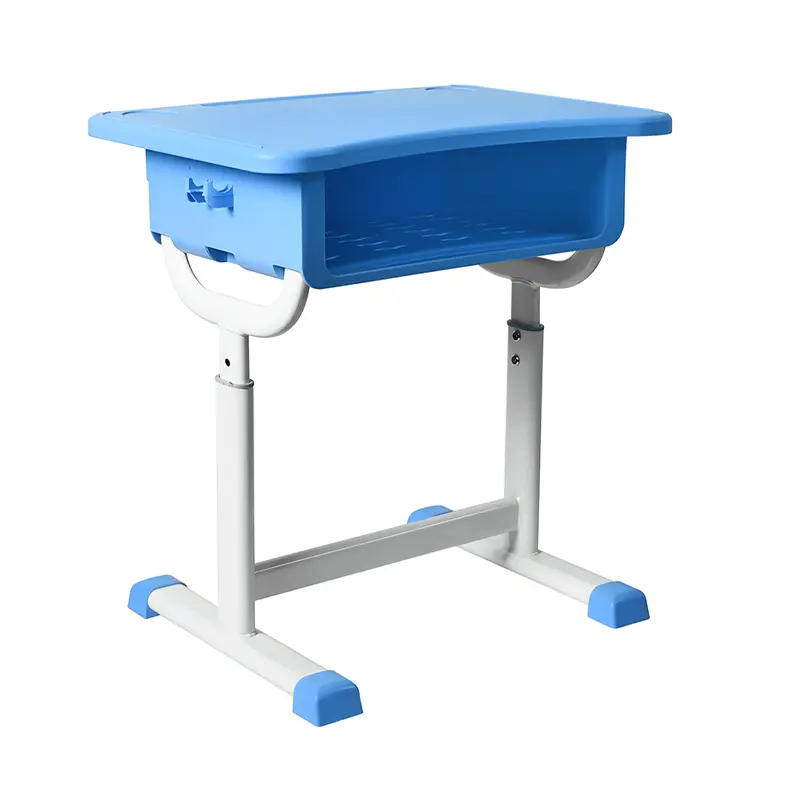
A school furniture order starts with the room, not the product catalogue. The right desk and chair depend on student age, class size, teaching style, room dimensions, and how often the furniture will be moved. A layout that works for a primary classroom may be a poor fit for a science room or a secondary school.
A school furniture manufacturer should help turn that information into a clear specification before production begins. The order may include student desks, chairs, teacher tables, storage, and other classroom furniture. The practical goal is a set that is safe, durable, comfortable, and consistent from one classroom to the next.
Classroom Furniture for Elementary School
Study Table with Chair for Different Age Groups
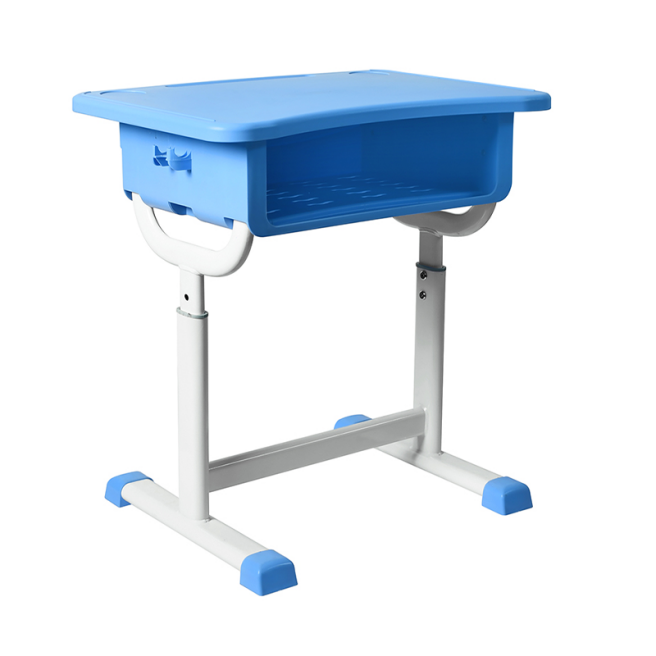
Classroom furniture for elementary school must fit the children who will use it. A desk that is comfortable for an older student can be too high for a younger child, leading to awkward posture and poor clearance under the top. Confirm the student height range and any local size standards before comparing models.
Give the supplier the number of students, room length and width, door and window positions, teaching board location, storage needs, and preferred arrangement. A study table with chair suits individual work and homework. Two-person or group tables may be better when lessons rely on discussion and shared activities.
Student Chairs for Classroom Use
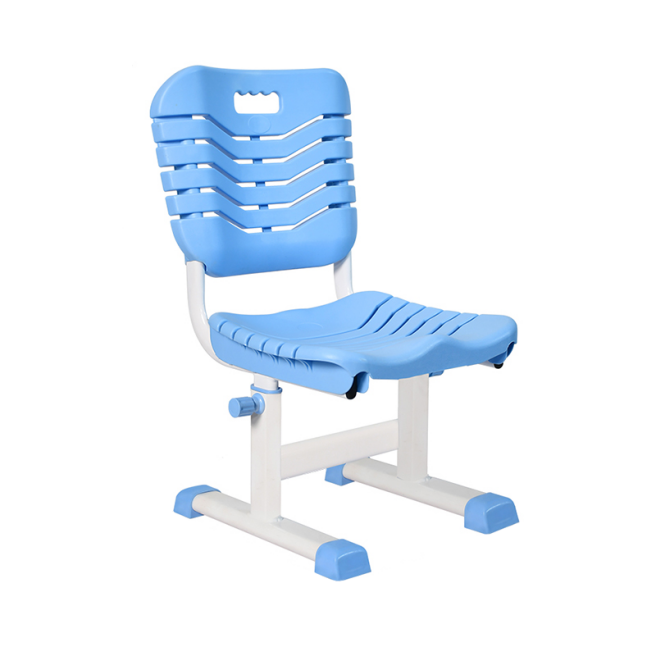
Student chairs for classroom use need to balance comfort with daily handling. Look for a stable frame, a supportive backrest, rounded edges, and a shape that can be moved, stacked, or stored without damaging the room. If desks and chairs are moved several times a day, a lighter design may matter as much as the appearance. Choose around the teaching model rather than forcing every classroom into the same layout.
|
Project factor |
What to confirm |
Why it matters |
|
Age group |
Desk and chair height for the student range |
Supports a comfortable sitting and learning position |
|
Room layout |
Individual, paired, or group table arrangement |
Matches teaching activities and circulation space |
|
Daily use |
Stability, easy cleaning, and surface durability |
Reduces maintenance work in busy classrooms |
Student Desk and Chair Factory: What Should Buyers Check?
Student Desk and Chair Factory Quality Control
A student desk and chair factory should be able to explain how each main component is checked. Ask about the tabletop, frame, seat, backrest, edge treatment, and surface finish. A desk should stay stable when a student writes, leans, or places books on it. The frame should withstand repeated movement, and all edges should be smooth and safe to touch.
Materials, Edge Treatment, and Stability
Quality checks should happen at more than one stage: incoming materials, production samples, semi-finished parts, and finished sets. For a large project, agree on inspection standards and acceptable tolerances in writing. The bulk product should match the approved sample in material thickness, color, hardware, and packaging. Small changes become expensive when hundreds of desks are installed across many classrooms.
School Desk with Chair Factory: Samples, Safety, and Delivery
Pre-Production Samples and Approval
A school desk with chair factory should provide a pre-production sample before mass production. Test it in a real or simulated classroom and check the proportions, colors, surface texture, chair comfort, desk stability, knee clearance, writing space, and ease of cleaning. Feedback from teachers and students can reveal problems that are not obvious in a catalogue image.
Packaging and Installation for School Projects
Packaging matters in an export project because school furniture may be handled several times before installation. Confirm how desks and chairs are protected from scratches, moisture, and impact, and whether they arrive assembled or flat-packed. Flat-packed units can reduce shipping volume, but they need clear instructions, labeled hardware, and a realistic installation plan.
Flexible OEM/ODM School Furniture Solutions
Bulk Student Desks for New Classrooms
Flexible OEM ODM school furniture solutions are useful when a distributor, school group, or project contractor needs furniture adapted to a particular market. Changes may include desk size, chair height, tabletop color, frame color, logo, packaging, or the product combination. OEM usually starts from an existing model and adjusts it to the brief. ODM may involve a new design or a larger structural change.
Custom Colors, Sizes, and Branding
Prepare a clear product brief before requesting customization. Include dimensions, materials and colors, student age group, order quantity, packaging requirements, target delivery date, and required testing or documents. Custom work can affect the minimum order quantity and lead time and may require a new mould, drawing, sample, or packaging design. For bulk student desks, keeping every classroom consistent is worth planning carefully.
School Furniture Manufacturer for Export Projects
Classroom Furniture Wholesalers and Container Loading
A school furniture manufacturer working with international buyers needs to support more than production. Export projects may involve container loading, product labels, assembly documents, spare parts, and country-specific requirements. Classroom furniture wholesalers may need mixed containers with different desk sizes, chairs, colors, and product types. Ask for a clear packing list and loading plan before shipment.
Replacement Parts and After-Sales Support
Ask how replacement parts will be handled after delivery. School desks and chairs receive heavy daily use, so a damaged foot, screw, seat, or tabletop component should be replaceable without removing an entire classroom set. Useful after-sales support includes assembly guidance, care instructions, and a named contact for quality issues.
Planning a Complete Classroom Furniture Order
Room Information, Samples, and Approval
A complete classroom furniture order begins with room information and ends with an installation plan. Confirm the number of classrooms, student capacity, age groups, and preferred layouts first. Then select standard products and identify the items that need customization. Approve samples before mass production and keep the approved specification with the purchase order.
Production, Inspection, and Delivery
Production, inspection, packaging, and delivery should all follow the approved specification. This reduces the risk of receiving furniture that differs from the sample and makes installation easier to coordinate. For schools, durable furniture is a long-term investment. For distributors and project buyers, consistent production, clear documents, and dependable delivery are just as important.
For a school furniture quotation, send Zhixing Furniture the classroom count, student age groups, room information, preferred products, quantity, and customization requirements.