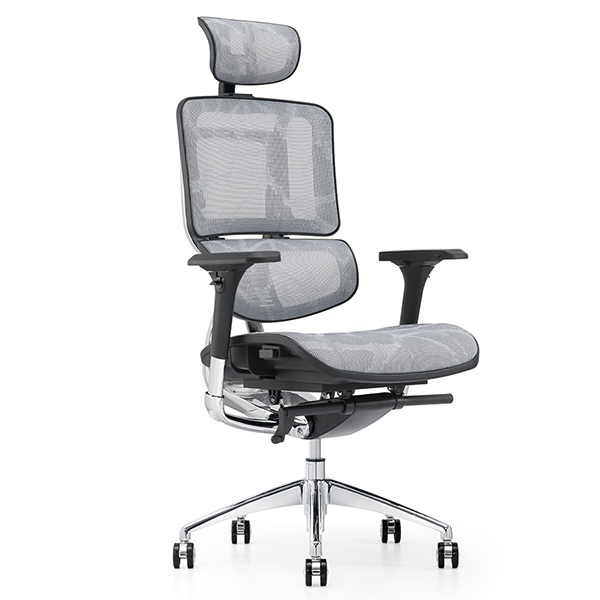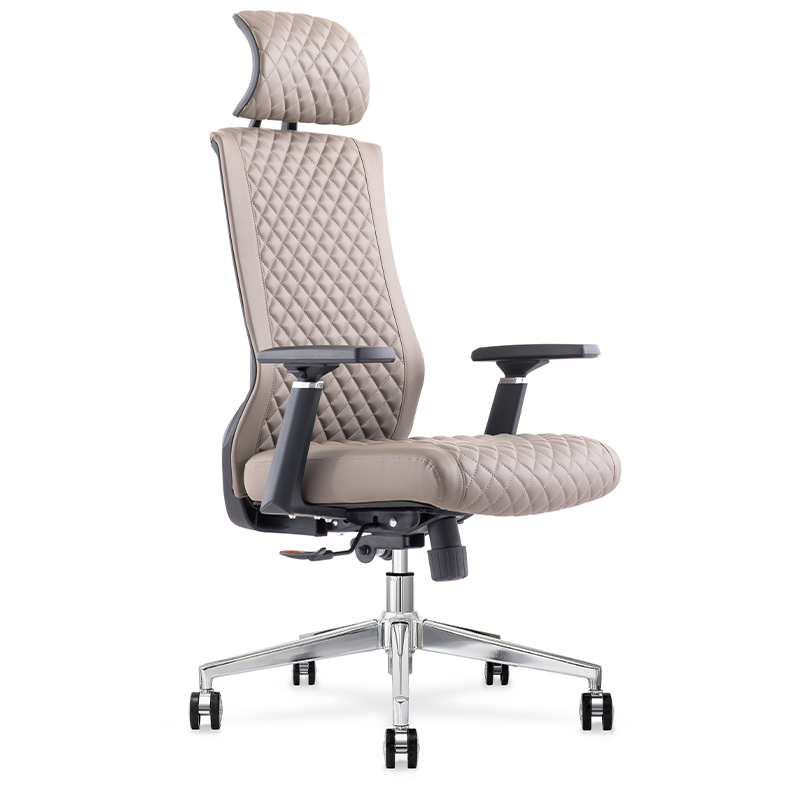
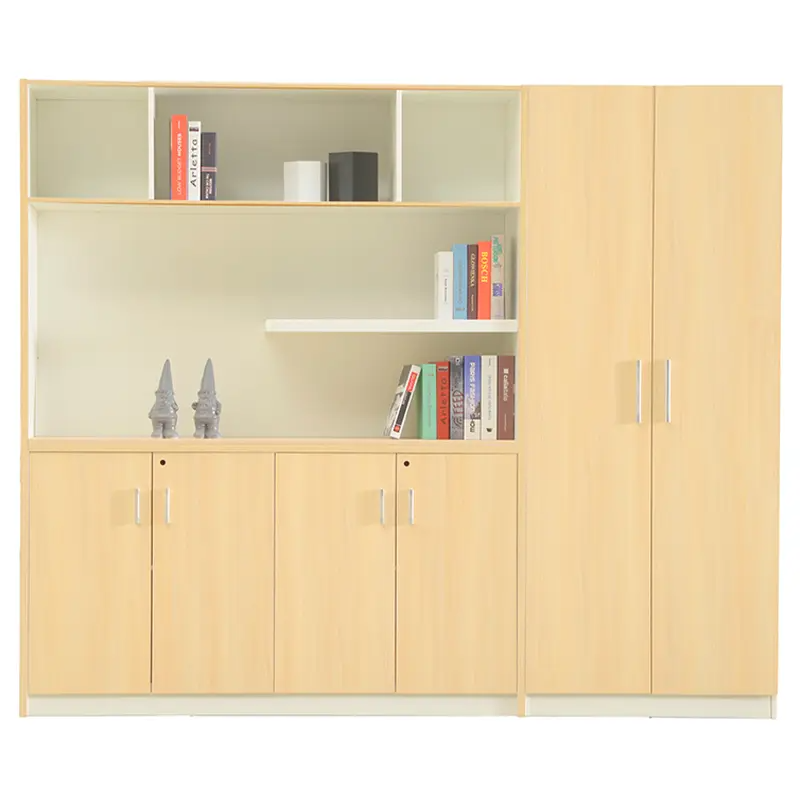
When files are hard to find, the problem is rarely just a lack of cabinet space. It is usually a mismatch between the way a team works and the way its storage is arranged. Contracts, invoices, personnel records, project folders, and office supplies all need a clear home. Good office storage solutions make those items easy to reach without turning the workplace into a wall of mismatched furniture.
Start with the daily routine. Files opened every morning belong near the team that uses them. Older records can move to a shared archive area, while confidential documents may need a lockable office cabinet. This basic division gives a buyer a clearer idea of what to order and where each unit should go.
File Cabinets for Corporate Office Storage
List the Files Each Department Uses
Before choosing filing cabinets, make a short list for each department. Finance may need drawers for invoices and payment records. Human resources needs secure space for employee files. Sales teams may need shelves for contracts, samples, and printed material. This list is more useful than choosing a cabinet from a product photo alone.
Separate records into three groups: files used every day, files used occasionally, and files kept for compliance or long-term reference. Keep the first group close to workstations, place the second in shared storage, and move the last group away from valuable desk space. The result is easier access and less clutter.
Estimate Capacity and Future Growth
Count folders, binders, archive boxes, and supplies instead of estimating capacity by employee number alone. A cabinet that is full on installation day leaves no room for new projects or new staff. Allowing some spare capacity is usually cheaper than adding several small units later, especially when the office needs the same finish and size throughout.
Filing Cabinet Dimensions and Office Layout
Vertical Filing Cabinet or Horizontal Filing Cabinet?
Filing cabinet dimensions affect circulation as much as storage capacity. A vertical filing cabinet uses less floor area and suits a small department or a narrow archive wall. A horizontal filing cabinet is wider and can be easier to use for large folders, drawings, samples, and shared records. It works well under windows or along a wall where there is more width than height.
The right choice depends on the room, not on a single standard size. Check the cabinet depth against nearby desks, workstation chairs, skirting boards, and door swings before finalizing the layout.
Measure Drawer and Door Clearance
Measure the cabinet footprint, the space needed to open drawers or doors, and the walking path in front of it. Include clearance from desks and task chairs, as well as the route used for delivery and installation. A cabinet can fit against a wall and still be frustrating if a chair blocks the drawers. In an open office, keep storage out of shared walkways and emergency routes.
|
Office need |
Practical choice |
Why it works |
|
Daily department files |
Vertical filing cabinet near the team |
Uses floor space efficiently and keeps active records close to users |
|
Shared folders and archive boxes |
Filing cabinet with shelves |
Holds binders, boxes, and mixed document types in one place |
|
Confidential records |
Lockable office cabinet |
Limits access to HR, finance, legal, and customer documents |
Lockable Office Cabinet for Sensitive Records
Which Office Documents Need Lockable Storage?
Use a lockable office cabinet for documents that should not be left on open shelves, such as employee records, contracts, financial files, and customer information. The lock does not need to be complicated for every department. A key lock may be enough for a small team, while a controlled-access or combination lock may suit a larger organization. Decide who needs access first, then choose the hardware.
Make Shared Access Simple
A shared cabinet works well when someone is responsible for the key or access code. Larger offices may prefer one cabinet per department so files are easier to control. Security is only part of the system: label folders clearly, review old records, and remove documents that no longer need to occupy working space.
Office Storage Cabinets with Doors and Drawers
Filing Cabinet with Shelves for Shared Documents
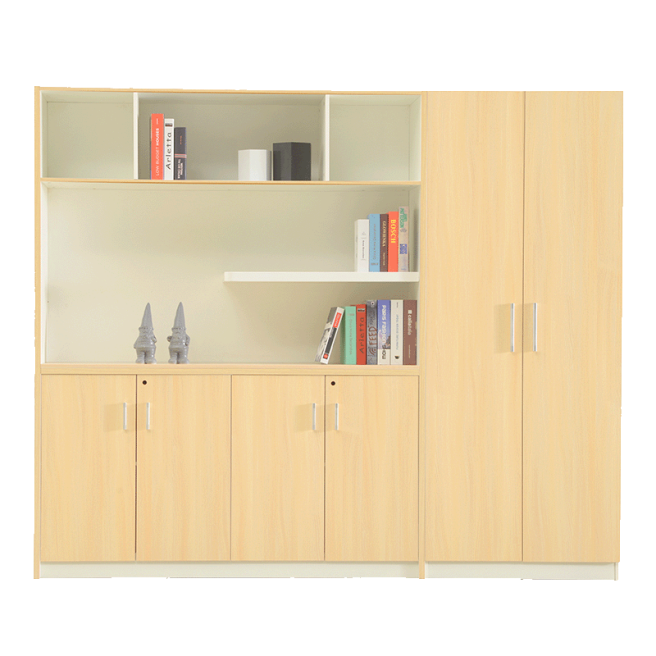
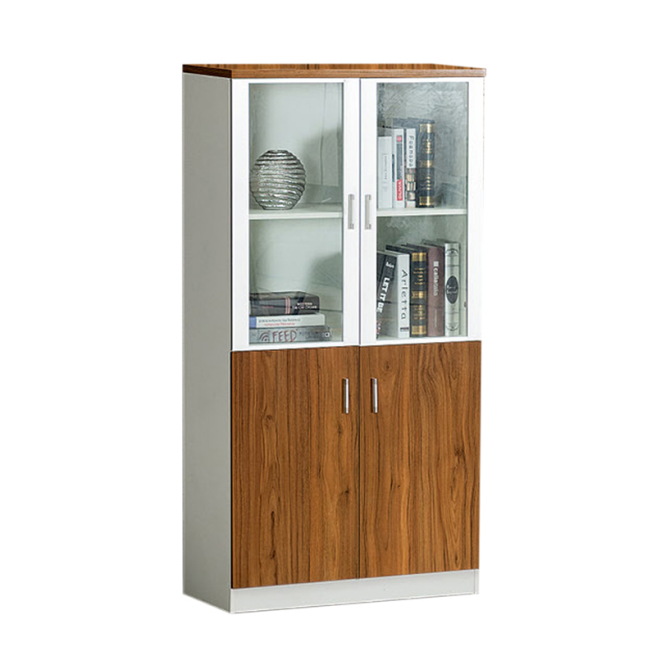
Office storage cabinets with doors and drawers are useful for different kinds of work. Drawers keep active folders easy to reach. Doors hide binders, archive boxes, and supplies and give a client-facing office a cleaner appearance. A filing cabinet with shelves can combine both functions, with shelves for binders and boxes and drawers for the folders used every day.
Match Cabinet Materials to the Office
Open shelving is convenient but shows every folder and box. Closed doors keep dust out and help a reception or executive area look more orderly. In busy workplaces, look for surfaces and handles that are easy to clean. Steel can be a practical choice for heavy daily use, while wood-based finishes often suit meeting rooms, reception areas, and other client-facing spaces.
Office Furniture Storage Cabinets Bulk: What to Check
Approve a Sample Before the Full Order
For office furniture storage cabinets bulk orders, ask for a written specification covering materials, dimensions, load capacity, locks, finish, and packaging. Approve a sample before the full order when the project is large. Open and close the drawers, check door alignment and handles, inspect the edges, and view the finish under the same lighting used in the office.
Confirm Delivery and After-Sales Support
Before placing the order, confirm production lead time, quantity tolerance, container loading, protective packaging, installation instructions, replacement parts, warranty, and after-sales support. Clear drawings are especially useful when cabinets are being installed with workstations, desks, and meeting room furniture as one project.
Build a Storage System That Can Grow
A useful office storage system should work on the first day and still make sense after the company changes. Decide which files need daily access, which need security, and which can move to an archive. Choose cabinet types and finishes that can be added later. Employees should know where files belong, managers should be able to control access, and the furniture should remain stable and easy to use after years of daily work.
For a complete office storage plan, share your room dimensions, cabinet quantity, and storage requirements with Zhixing Furniture for a practical quotation.