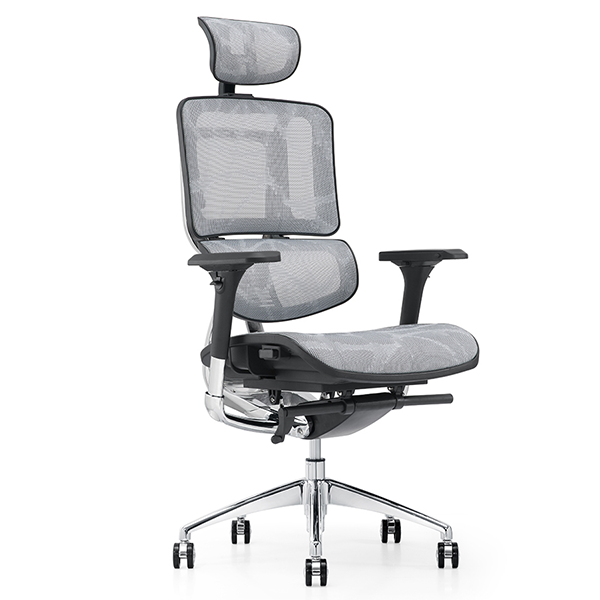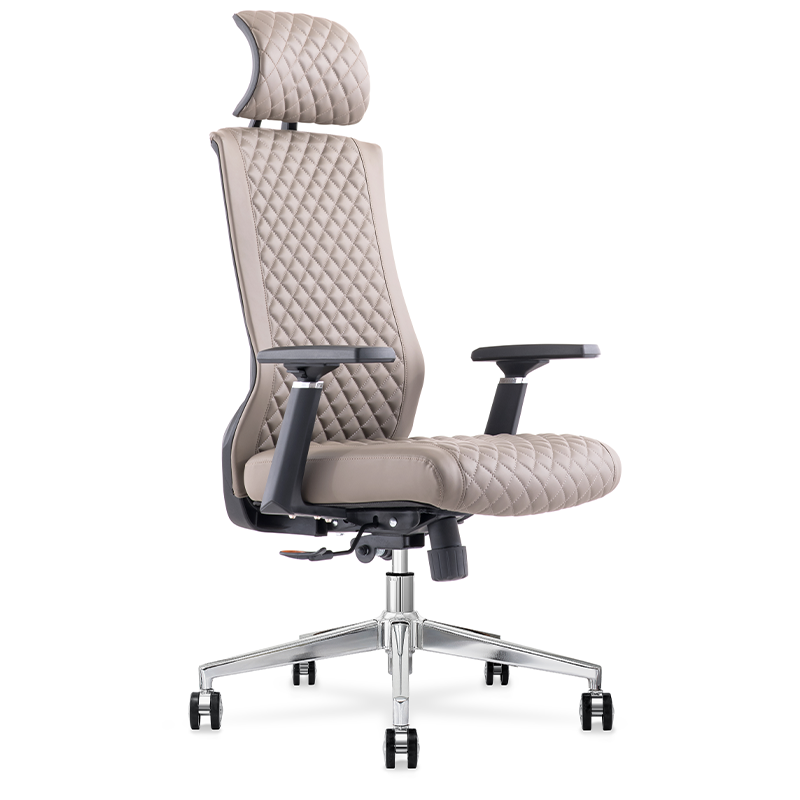
Five flip-top training tables could be a good starting point for ten learners, with each table seating two people along one working edge. The instructor needs a separate place to stand or sit. The layout decision depends on whether the same furniture can support a lesson, a group exercise, and the changeover between them.
What makes a table a two-person table in this room?
The tabletop length tells only part of the story. Two chairs may fit along the edge while one learner’s knees line up with a table leg. A trial with the intended chairs, laptops, and course materials shows how much usable space each person has. If the selected table fits only one learner on that edge, the five-table layout needs a different model or a revised table count.
A room plan is most useful when it shows the widest points of the table base, the chairs in use, the screen, columns, door swings, and the entrance to storage. A clear path drawn between empty tabletops may disappear once the chairs are occupied.
How would ten learners see the instructor?
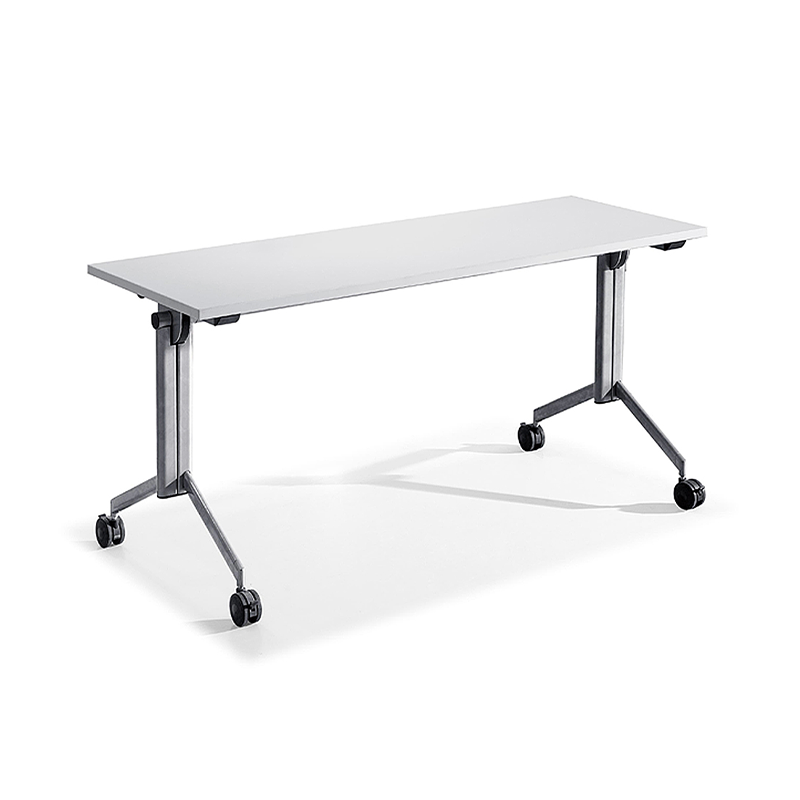
One teaching arrangement has two tables in the first row, two in the second and one in the third. That seats four, four and two learners. The last table can sit off-centre if that gives its occupants a clearer view between the rows. The instructor’s position matters too: someone demonstrating at a side wall creates a different sightline from someone speaking beside the screen.
The farthest seat makes a practical trial point. From there, the team can assess the screen view and the route back to the door while the other nine seats are occupied. If several seats use powered equipment, the positions of the room outlets also affect which layouts are workable.
How does the fifth table work in group mode?
Two tables facing each other form a four-person island when each seats two along its outside edge. A second island seats another four, leaving the fifth table for a pair. This arrangement suits an exercise with groups of four, four and two. For two equal groups of five, the brief changes. Each fifth participant needs an actual writing surface and knee space, and the trainer needs to reach both groups.
|
Use |
Example arrangement |
Question for the room trial |
|
Teaching |
Three rows seating four, four and two |
Can the last learner see the demonstration and leave the row? |
|
Group exercise |
Two four-person islands and one two-person table |
Does the grouping match the activity, and can the trainer reach each group? |
|
Changeover |
Ten chairs moved aside, five tables moving into storage |
Where can the chairs wait while the last table turns through the door? |
How much space do five nested tables occupy?
The folded depth of one table and the extra depth added by each nested table are different measurements. If the supplier confirms a constant increment for the selected model, the depth of five nested tables equals the first folded table's depth plus four increments. A dimensioned drawing of the full group also reveals any sideways offset of the bases. Folded height matters where shelving projects over the storage bay.
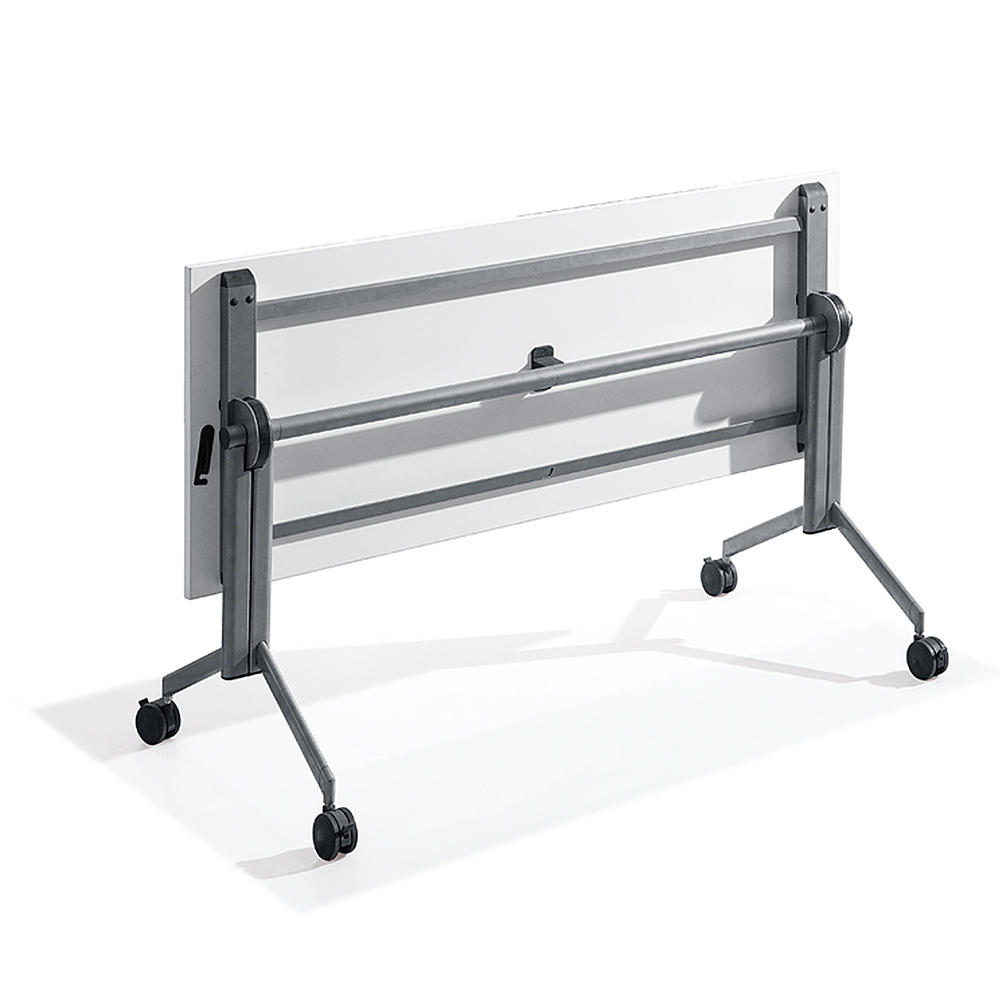
Zhixing’s rectangular flip-top table has a nesting design and four casters with brakes. The room-specific figures are the open dimensions, the folded dimensions, and the footprint of five units nested together. The handling instructions for the selected configuration guide the reset trial. Zhixing rectangular flip-top training table
Storage is workable when the tables can both reach the bay and leave it again. A trial starting with ten occupied seats and ending with the storage door closed reveals details a parking rectangle can hide, such as turning space at the doorway or chairs waiting in front of it. Those measurements give the supplier a concrete room plan to check the quotation against.