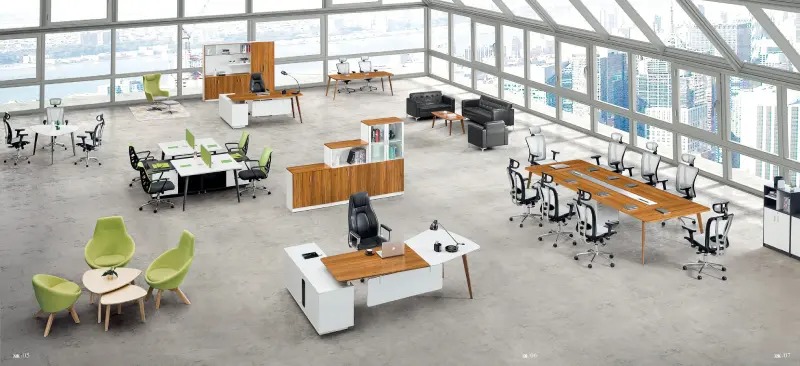
Modern workspaces and educational institutions are moving away from fixed, rigid layouts. Today, dynamic environments demand adaptable spaces that can transform at a moment's notice. Embracing modern office design and active learning models requires flexible furniture solutions that support collaboration, focus, and changing spatial needs.
What Is Flexible Furniture and Why Does It Matter?
Flexible furniture refers to adaptable, reconfigurable, and multi-functional interior elements designed to adjust quickly to different tasks and group sizes.
Understanding Flexible Furniture for Changing Work Environments
Unlike traditional static desks and heavy cabinets, flexible office furniture allows users to reorganize their physical surroundings effortlessly. Rolling tables, modular soft seating, and height-adjustable desks empower employees and students to adapt their environments on demand.
How Flexible Office and Classroom Furniture Supports Adaptable Spaces?
By incorporating flexible classroom furniture and modular office desks, a single room can serve multiple functions—transitioning from a formal lecture or team presentation space to a hands-on workshop within minutes.
The Role of Modular Design in Future-Ready Interiors
Modular furniture solutions serve as the building blocks of versatile spaces. Interlocking seating, reconfigurable tables, and mobile room dividers make it easy to scale or reconfigure floor plans as organizations grow.
Why Businesses and Schools Need Flexible Furniture Solutions?
|
Key Benefit |
How Flexible Furniture Delivers |
|
Space Efficiency |
Replaces single-purpose rooms with multi-functional spaces. |
|
Adaptability |
Accommodates changing group sizes and various activities. |
|
Ergonomics & Well-being |
Provides height-adjustability and intuitive seating posture support. |
|
Long-Term ROI |
Reduces the need for costly physical interior renovations. |
Improving Productivity and User Experience Through Better Space Design
Giving users control over their physical setup improves comfort and focus. Well-designed spaces eliminate physical friction, allowing seamless focus during individual or group tasks.
Supporting Hybrid Work Models and Collaborative Learning
The rise of hybrid workplace furniture addresses unpredictable daily attendance. Mobile workstations and quick-setup collaborative hubs allow flexible teams and project groups to gather effortlessly whenever in-person collaboration is required.
Maximizing Space Utilization With Multi-Purpose Furniture Systems
Instead of keeping specialized rooms idle, flexible furniture systems transform one square footage into a multi-purpose room—functioning as a training room in the morning and a conference hall in the afternoon.
Creating Comfortable Environments for Different Activities
From high-energy brainstorming sessions to quiet focus time, varied seating heights and mobile screens give users options tailored to their tasks.
Enhancing Sustainability Through Long-Term Furniture Use
Modular components can be repaired, reconfigured, or expanded rather than discarded, extending product lifecycles and reducing long-term environmental impact.
What Industries Benefit From Flexible Furniture Solutions?

Corporate Offices Seeking Agile Workplace Design
Businesses adopting modern hybrid workflows depend on reconfigurable desks and collaborative seating hubs.
Schools and Universities Creating Flexible Learning Environments
K-12 schools and universities utilize height-adjustable, mobile desks to support active learning and diverse teaching methods.
Training Centers Requiring Multi-Purpose Rooms
Corporate and vocational training centers rely on nesting tables and stackable chairs to quickly clear or rearrange rooms.
Commercial Spaces Needing Adaptable Furniture Systems
Public spaces, libraries, and hospitality venues require versatile furniture systems to host varying group sizes and daily events.
Common Challenges When Implementing Flexible Furniture
- Balancing Flexibility With Design Consistency: Mixing reconfigurable items without a clear design direction can create a chaotic visual impression.
- Managing Budget Planning and Initial Investment: High-quality mobile and adjustable mechanisms often require higher initial investment than basic fixed furniture.
- Ensuring Furniture Durability for Frequent Reconfiguration: Constant moving, folding, and rolling requires durable frames, heavy-duty casters, and robust locking mechanisms.
- Addressing Storage, Organization, and Space Management Needs: Stacking chairs and nesting tables require designated storage zones when cleared away.
- Helping Users Adapt to New Flexible Layouts: Teams and students need clear intuitive designs so they feel comfortable adjusting furniture on their own.
Flexible Furniture Ideas for Offices and Classrooms
Modular Workstations for Changing Team Structures
Cluster workstations with integrated cable management allow companies to add or reduce desks as team sizes shift.
Mobile Desks and Tables for Multi-Functional Spaces
Flip-top nesting tables on smooth casters can be quickly wheeled together for group work or rolled to the perimeter for open-floor events.
Collaborative Furniture for Team Interaction Areas
Media-integrated tables, modular lounge booths, and mobile whiteboards create inviting zones for spontaneous group sessions.
Privacy Solutions for Open Workplace Environments
Acoustic screens, freestanding phone booths, and high-back seating offer quiet isolation within open floor plans.
Adjustable Classroom Furniture for Active Learning Spaces
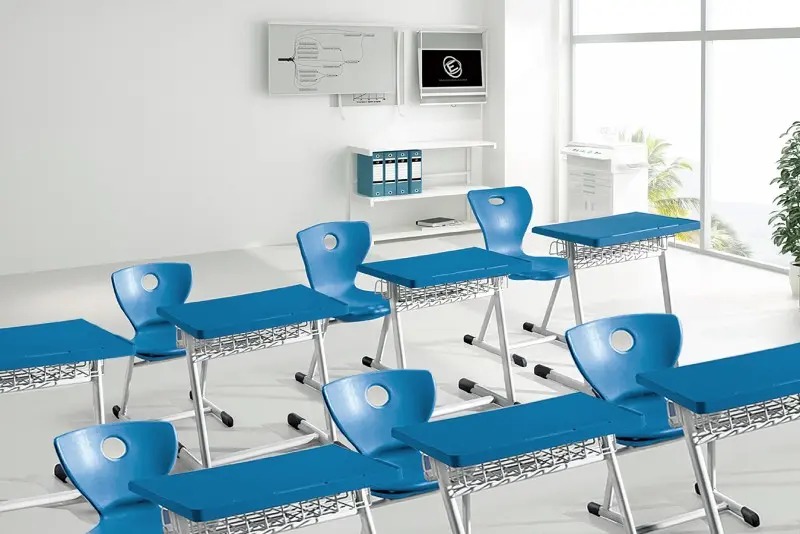
Height-adjustable desks and ergonomic student chairs keep learners active and comfortably supported throughout the day.
Choosing the Right Flexible Furniture Manufacturer for Your Project
Evaluate OEM and ODM Customization Capabilities
An experienced office furniture OEM or office furniture ODM partner translates custom dimensions, colors, and functionalities into mass-producible products.
Check Manufacturing Experience and Production Quality
Look for manufacturers with established production lines, strict quality control procedures, and compliance certifications.
Consider Material Selection and Product Durability
Sturdy metal frames, scratch-resistant laminates, and reliable hardware ensure furniture withstands heavy daily use.
Ensure Compatibility With Different Space Requirements
Choose a supplier offering cohesive furniture collections that fit varied room sizes and architectural layouts.
Select a Partner That Understands Your Industry Needs
As a specialized classroom furniture manufacturer and commercial supplier, your manufacturing partner must understand educational safety standards and office workflow requirements.
Zhixing Furniture: Flexible Office and Classroom Furniture OEM/ODM Solutions
Zhixing Furniture delivers reliable, high-quality customizable furniture solutions tailored to commercial and educational projects globally.
Customized Furniture Design for Different Workspace Requirements: Tailored engineering to match unique aesthetic and functional specs.
Flexible Manufacturing Support for Global Furniture Projects: Advanced production facilities supporting both small-batch custom requests and large-volume orders.
Office and Classroom Solutions Designed Around User Needs: Ergonomic and durable products built for real-world daily demands.
From Concept Development to Large-Scale Production: End-to-end OEM/ODM services handling prototyping, testing, and final manufacturing.
FAQs About Flexible Furniture Solutions
Q1: What Types of Furniture Can Be Customized for Flexible Spaces?
A: Workstations, training tables, ergonomic chairs, storage units, and acoustic partitions can all be fully customized through OEM/ODM production.
Q2: How Does Flexible Furniture Support Hybrid Workplaces?
A: It allows offices to reallocate unassigned desks and build collaborative meeting hubs that accommodate fluctuating daily attendance.
Q3: Can Flexible Classroom Furniture Adapt to Different Teaching Styles?
A: Yes, mobile desks and light chairs enable quick transitions between individual test layouts, group projects, and open class discussions.
Q4: What Should Buyers Consider When Choosing an OEM/ODM Furniture Supplier?
A: Evaluate their factory capacity, customization capabilities, material quality, international safety certifications, and industry track record.
Q5: How Does Zhixing Furniture Support Custom Furniture Projects?
A: Zhixing Furniture provides complete OEM/ODM services—from initial design drawings and material selection to sample development and bulk manufacturing.