A well-organized workspace is easier to use, easier to maintain, and more comfortable for employees throughout the day. Yet office clutter can build up quickly when documents, stationery, personal items, and shared materials do not have a clear place. For businesses planning a new office or updating an existing one, storage should therefore be considered as part of the overall furniture layout rather than as an afterthought.
The right office storage solutions help keep work surfaces clear while making frequently used items easier to access. The key is not simply adding more cabinets. A practical storage plan starts with what needs to be stored, where employees use it, and how the storage furniture fits with desks, circulation space, and the wider office environment.
Start with What Your Workspace Needs to Store
Before choosing storage furniture, review the items that are used in each area of the office. Different items require different levels of access, capacity, and privacy. Daily stationery may need to stay close to individual workstations, while shared documents and office supplies can be stored in a central location for the whole team.
Physical files may also need a dedicated filing system so employees can locate documents without filling desk surfaces or open shelves. Personal belongings are another consideration, especially in open-plan offices where keeping individual work areas tidy helps maintain a more consistent appearance. By separating personal, shared, and document storage needs, buyers can avoid using one cabinet type for every task.
Choose Storage Solutions for Different Office Needs
Filing Cabinets for Documents and Records
For offices that still handle paper records, filing cabinets provide a structured way to organize documents by department, project, or frequency of use. Zhixing’s Storage Solutions category includes filing cabinets designed for commercial office environments. When planning placement, consider who needs access to the files and how often they are used so cabinets remain convenient without blocking circulation.
Cabinets for Shared Office Supplies
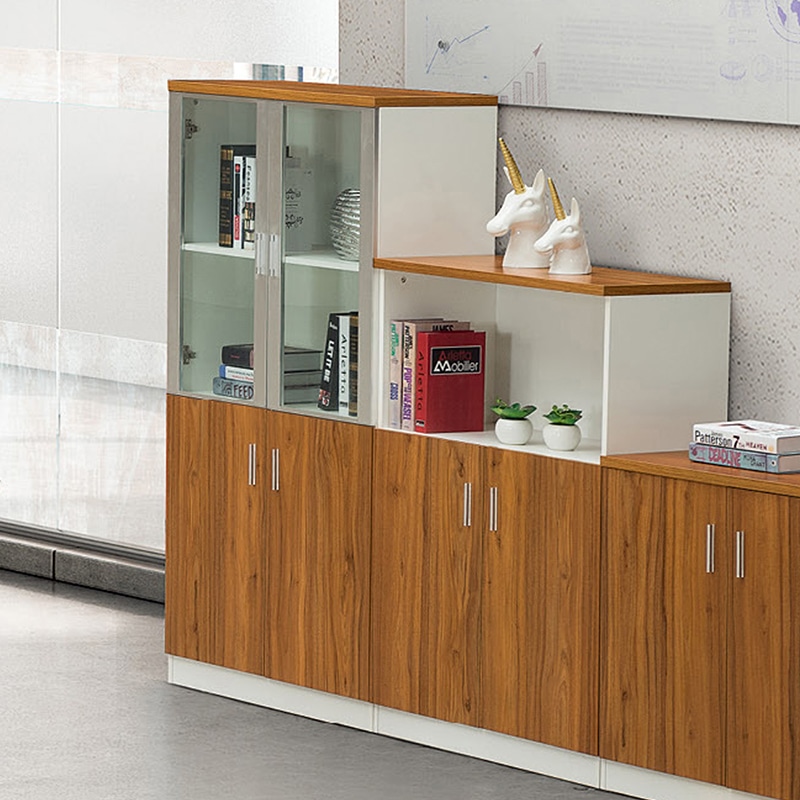
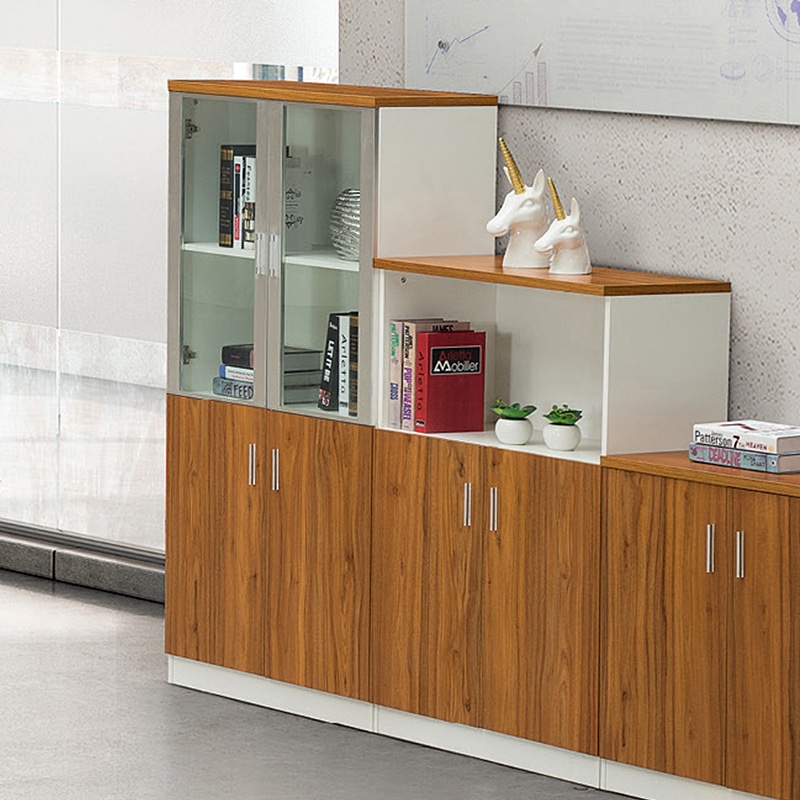
Shared storage is useful for stationery, reference materials, samples, and other items used by several employees. A cabinet with a combination of visible and concealed storage can help teams keep frequently used items accessible while hiding less organized materials behind doors. Adjustable shelves also make the interior easier to adapt when storage needs change.
Personal Storage Close to the Workstation
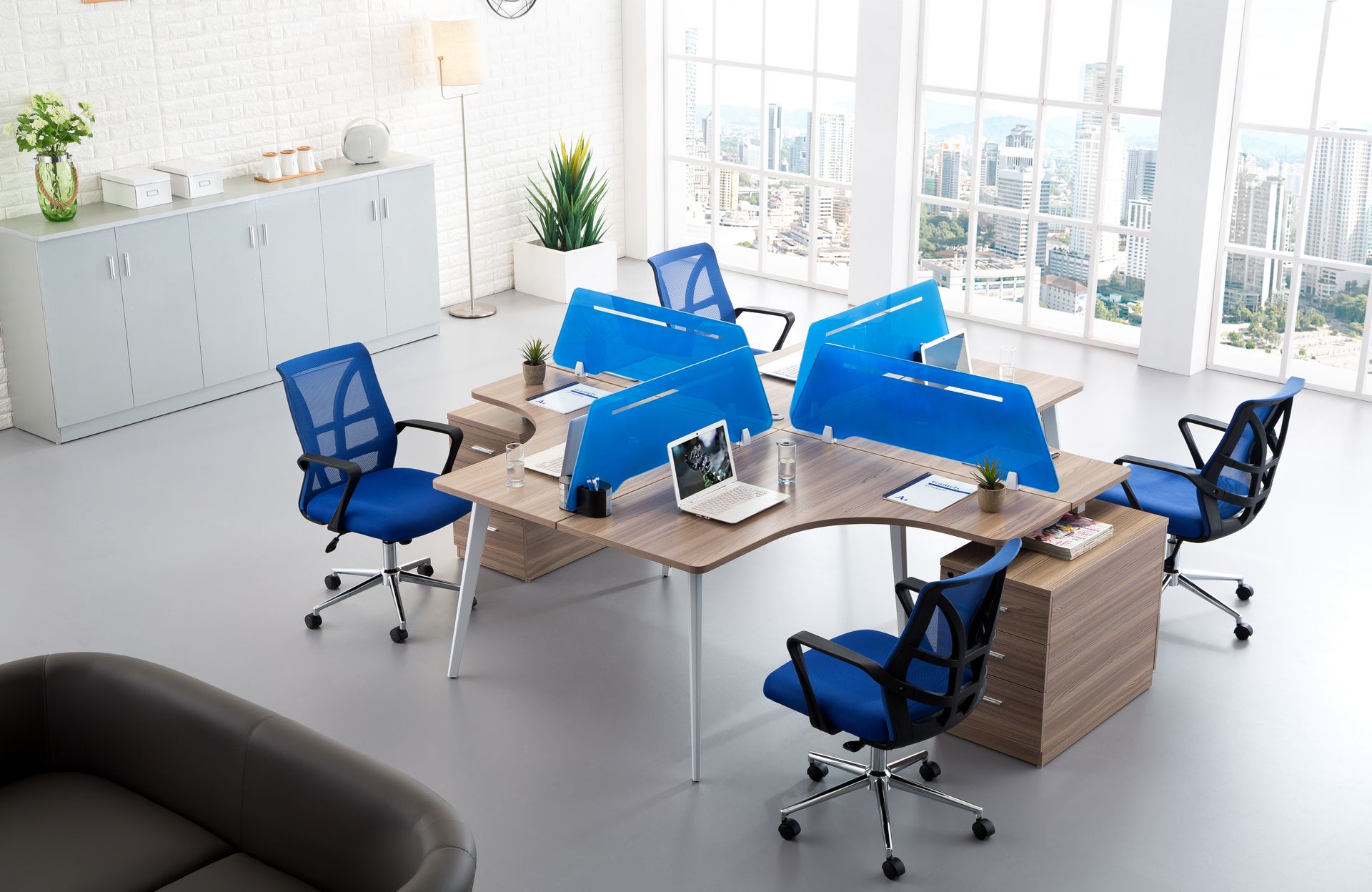
For individual work areas, compact drawers or integrated storage can keep small items within reach without taking over the desktop. Some Zhixing workstation desks include three-drawer file cabinets, combining the work surface and everyday storage in one arrangement. This type of setup can be especially practical in open offices where every workstation needs to remain organized.
Make Better Use of Available Office Space
Effective storage planning is closely connected to space planning. In smaller offices, vertical cabinets can increase storage capacity without using a large amount of floor area. In wider rooms, low cabinets or drawer units can be positioned near workstations while preserving sightlines across the office.
The dimensions of storage furniture should always be checked against desks, chairs, doors, and walkways. A cabinet may offer generous capacity, but it is not practical if an open door or drawer interferes with employee movement. Leaving enough clearance around storage units also makes daily access easier and helps the workspace feel less crowded.
Match Storage with the Office Layout
Open-Plan Workspaces
Open-plan offices benefit from storage that keeps individual desks clear and maintains a consistent visual appearance. Personal drawer units can support each workstation, while shared cabinets can be grouped in locations that are easy for teams to reach. Keeping storage close to the people who use it reduces unnecessary movement and makes organization easier to maintain.
Private and Executive Offices
Private offices often need a combination of work surface, document storage, and space for personal items. Integrated side cabinets or nearby filing cabinets can keep important materials accessible while preserving a clean desktop for focused work and meetings.
Shared Work Areas
In printing areas, project zones, and other shared spaces, centralized cabinets can prevent supplies from spreading across multiple desks. Items should be grouped according to how frequently they are used, with everyday materials placed at convenient heights and less frequently used items stored higher or lower.
Consider Accessibility, Organization, and Daily Use
A clutter-free workspace depends on how storage is used after installation. Frequently accessed documents and supplies should be placed where employees can reach them quickly. Clear categories and consistent storage locations also make it easier for teams to return items after use.
Furniture details can support this daily routine. For example, Zhixing’s Suman vertical filing cabinet combines upper glass doors, lower wooden doors, and adjustable shelves. The visible upper area can be used for organized display or frequently referenced items, while the closed lower section helps conceal materials that do not need to remain in view.
Plan Storage for Long-Term Workspace Changes
Storage requirements can change as teams grow, departments move, or work processes become more digital. For this reason, office buyers should avoid planning only for the exact amount of material stored today. Some additional capacity and flexible shelf arrangements can make the furniture more useful as requirements change.
It is also helpful to plan storage together with desks and other office furniture so dimensions, finishes, and placement work as one system. For larger commercial projects, consistent specifications across multiple work areas can simplify purchasing and create a more coordinated workspace.
Create a Storage Plan Around Your Office Project
Every office has a different floor plan, number of users, and mix of storage requirements. A practical solution should balance capacity with accessibility and should fit the way employees actually work. That may mean combining filing cabinets, shared cabinets, and workstation storage rather than relying on a single product type throughout the office.
Zhixing provides office desks, storage solutions, and workplace furniture for different commercial environments. For project requirements, buyers can share their office needs with our team and discuss suitable furniture configurations. Contact us to start planning a more organized workspace.
Conclusion
Clever office storage is not about filling every available wall with cabinets. It starts by understanding what employees need to store, how often they need it, and where each item should be located. When filing cabinets, shared storage, and workstation drawers are planned together with the office layout, it becomes easier to keep surfaces clear and maintain an organized working environment.
For businesses furnishing a new office or improving an existing workspace, choosing storage according to real daily use can create a cleaner, more efficient layout while leaving room for future changes.