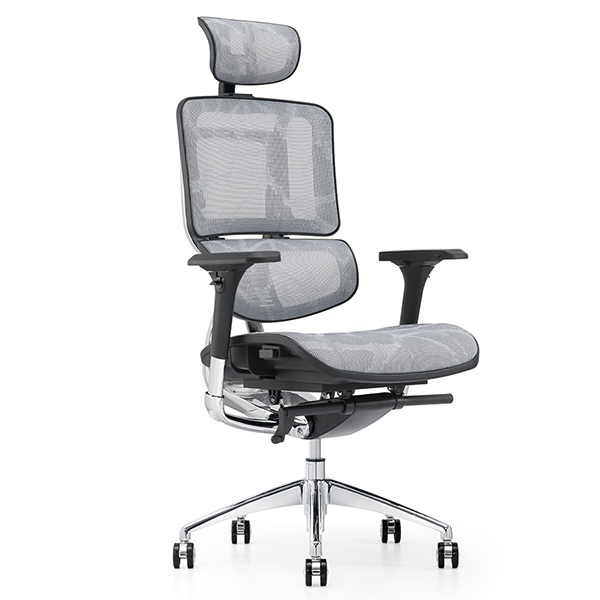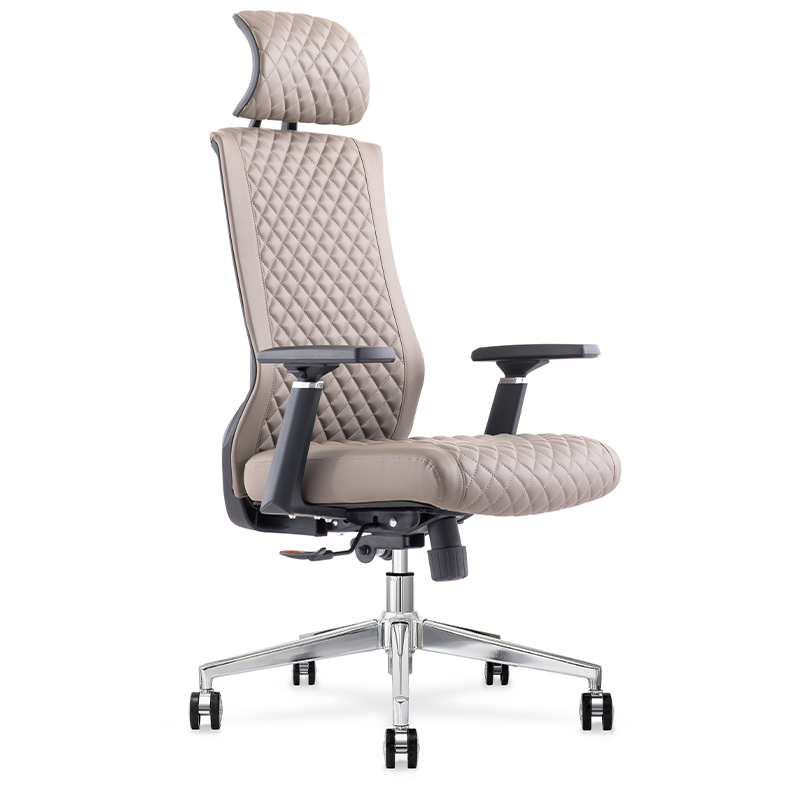
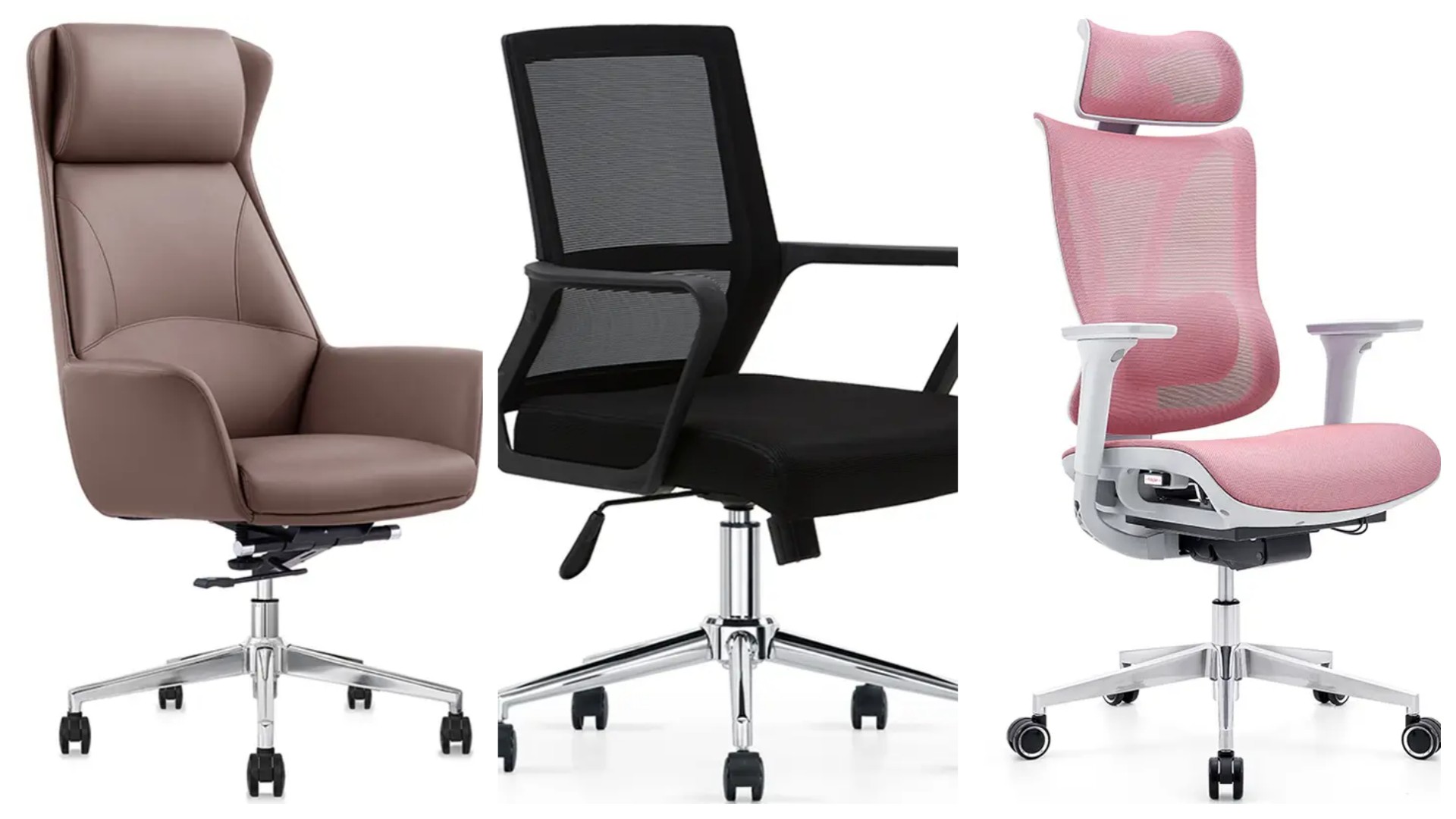
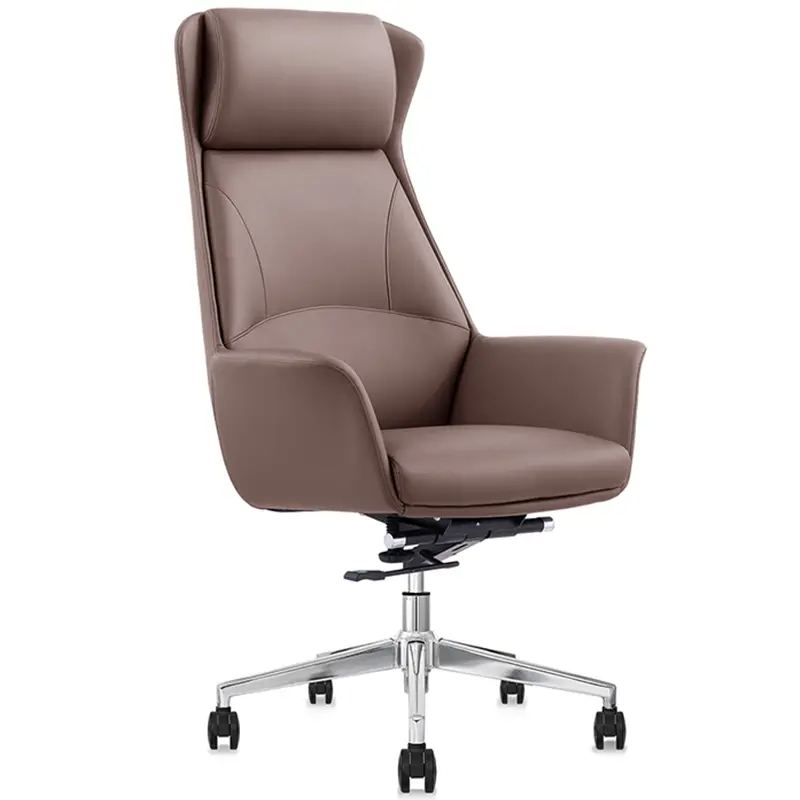
As modern workplaces continue to evolve, companies are placing greater emphasis on employee comfort, workspace efficiency, and long-term operational value. From open-plan offices to hybrid work environments, selecting the right ergonomic office chair is no longer just a furniture decision — it is part of a broader workplace strategy.
For businesses investing in ergonomic office seating solutions, product quality and compliance standards have become increasingly important. A well-designed workspace combines practical office table design, proper standard desk width planning, and reliable seating systems that support employees throughout long working hours.
This is where BIFMA certification plays a critical role. Whether sourcing from an ergonomic office chair factory or developing an OEM ergonomic chair program for commercial projects, buyers often use BIFMA office chair standards as a benchmark for safety, durability, and ergonomic performance.
What Is BIFMA Certification?
BIFMA stands for the Business and Institutional Furniture Manufacturers Association, an organization that develops performance and safety standards for commercial furniture products. In the office seating industry, ANSI/BIFMA standards are widely recognized as important references for product reliability and workplace safety.
A BIFMA certified ergonomic chair undergoes a series of tests designed to evaluate structural durability, stability, adjust ability, and long-term usage performance. These standards help businesses reduce procurement risks when selecting commercial seating products.
For companies managing office furniture procurement, office chair certification provides confidence that the seating system is suitable for professional workplace environments rather than light residential use.
BIFMA certification also works alongside workspace planning considerations such as standard desk width and workstation layout. Even a high-quality ergonomic office chair performs best when paired with appropriate desk dimensions and workstation ergonomics.
For many international buyers, especially those working with an ergonomic office chair factory or sourcing OEM ergonomic chair products, BIFMA compliance is often included as part of supplier qualification requirements.
As is widely known, office furniture products exhibited at the U.S. NEOCON trade show typically adhere to BIFMA standards; ZHIXING, for its part, successfully participated in both the ZOW Moscow and NEOCON exhibitions as early as 2011, thereby successfully entering the Russian and U.S. markets.
Why BIFMA Certification Matters for Commercial Office Seating?
Commercial office seating is exposed to significantly heavier daily usage than residential furniture. Employees may remain seated for extended periods, especially in customer support centers, engineering departments, trading environments, or administrative offices.
A comfortable office chair should maintain support and structural integrity throughout repeated daily use. Businesses are increasingly looking for the most comfortable office chair for long hours because employee comfort directly affects workplace efficiency and user satisfaction.
However, comfort alone is not enough. A comfort sitting chair used in commercial settings must also meet durability and safety expectations.
BIFMA certification helps organizations evaluate whether a seating product can support:
- Continuous daily operation
- Multiple user body types
- Frequent movement and reclining
- Long-term mechanical reliability
- Workplace safety compliance
For enterprise buyers, ergonomic office seating is part of a long-term workplace investment rather than a short-term furniture purchase.
How BIFMA - Certified Ergonomic Chairs Are Tested?
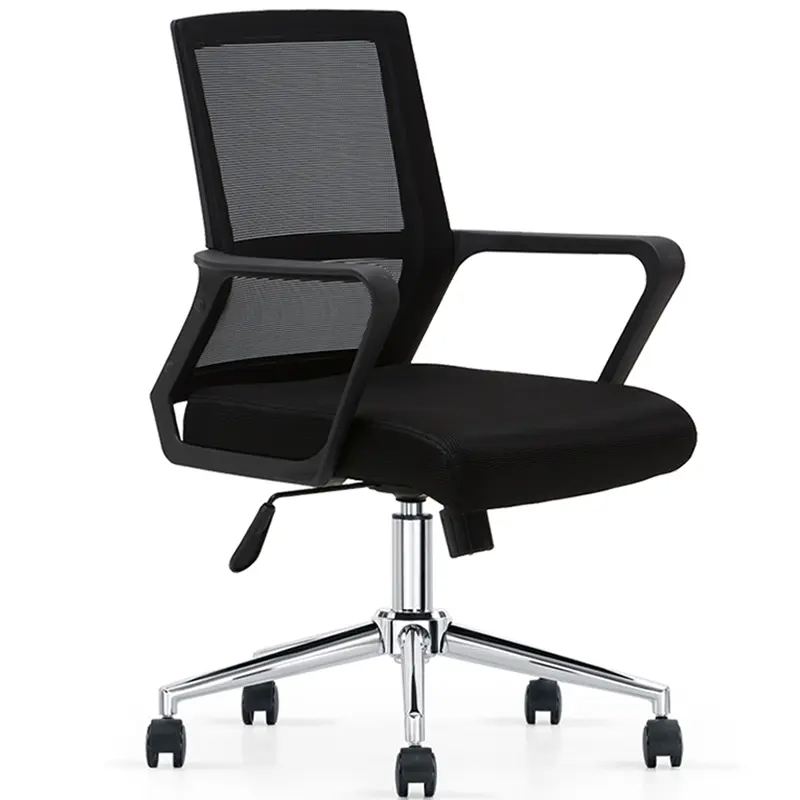
BIFMA testing procedures are designed to simulate real commercial office usage conditions. These evaluations help determine whether a chair can maintain performance over time.
-
Load and Durability Testing
The chair frame, seat structure, and base components are repeatedly tested under pressure loads to assess durability during long-term use.
This is particularly important for commercial environments where seating products experience continuous daily usage across multiple shifts.
-
Stability and Tilt Testing
Tilt mechanisms and reclining systems are evaluated to ensure the chair remains stable during movement and posture changes.
For ergonomic office seating solutions, stable reclining performance contributes to both safety and user comfort.
-
Armrest and Caster Testing
Armrests and casters are among the most frequently used chair components. BIFMA testing checks whether these parts can withstand repeated movement and impact over time.
This is especially relevant in collaborative office environments where chairs are moved frequently throughout the workspace.
-
Seat Height and Reclining Performance
Seat adjustment systems are tested for smooth operation and long-term functionality. Adjustable seating performance is essential for accommodating different users and workstation setups.
What are the Key Ergonomic Features to Look For?
When evaluating a BIFMA office chair, businesses should consider ergonomic adjustability alongside certification compliance.
-
Adjustable Lumbar Support
Lumbar support helps maintain natural spinal posture during prolonged sitting. Adjustable support systems allow different users to customize seating comfort according to individual needs.
-
Seat Depth Adjustment
Seat depth affects leg positioning and circulation. Proper seat depth adjustment helps users maintain comfortable posture alignment during extended work sessions.
-
Adjustable Armrests
Armrests should support natural shoulder positioning and reduce upper-body strain. Adjustable armrests are particularly important in shared workstations and hybrid office environments.
-
Reclining and Tilt Tension
Dynamic reclining systems encourage posture variation throughout the workday. Tilt tension adjustment allows users to control reclining resistance based on body weight and preference.
-
Headrest Support
For executive seating and long-duration workstation usage, headrests can provide additional neck and upper-back support.
Combined with ergonomic office seating solutions and appropriate office table design, these features contribute to a more adaptable workplace environment.
Understanding ANSI/BIFMA Standards: X5.1 vs. X5.11
ANSI/BIFMA X5.1 is one of the most widely recognized standards for general-purpose office chairs. It focuses on chair safety, durability, and structural performance in commercial environments.
ANSI/BIFMA X5.11 is more specifically associated with large occupant office seating requirements. It includes additional considerations for higher-capacity seating applications.
Understanding these distinctions helps procurement teams select products aligned with their operational requirements and workforce diversity.
For buyers working with an ergonomic office chair factory, requesting detailed testing documentation can help verify which standards the products comply with.
How Ergonomic Chairs Support Workplace Wellness and Productivity?
Employee wellness has become an increasingly important consideration in workplace planning. Seating systems influence posture, comfort, and overall workspace experience throughout the day.
An ergonomic office chair designed for commercial use can help support:
- Better posture alignment
- Reduced seating discomfort
- Improved workstation adaptability
- Greater workplace flexibility
When combined with practical office table design and proper standard desk width planning, ergonomic seating contributes to more efficient workspace organization.
For hybrid work models and flexible office layouts, ergonomic office seating solutions also support varying employee preferences and task requirements.
How to Choose the Right BIFMA - Certified Chair for Your Workspace?
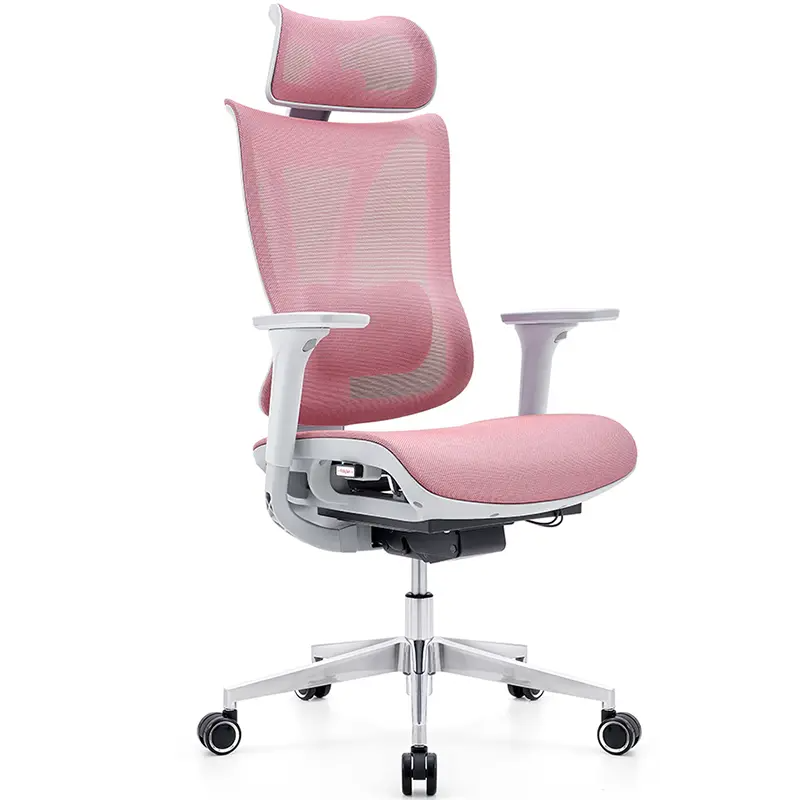
Different work environments require different seating strategies.
-
Open Office Environments
Open-plan offices benefit from versatile task seating with adjustable ergonomic functions and durable mobility components.
-
Executive Offices
Executive workspaces often prioritize enhanced ergonomic support, premium materials, and advanced reclining functionality.
-
Hybrid Workspaces
Hybrid office environments require flexible seating solutions suitable for shared workstations and changing user requirements.
-
Meeting Rooms and Task Seating
Meeting chairs and task seating should balance mobility, comfort, and space efficiency while maintaining commercial durability standards.
For large-scale projects, many buyers choose OEM ergonomic chair solutions to align product specifications with workspace branding and operational requirements.
The Long-Term ROI of Professional Ergonomic Seating
Professional ergonomic seating is often evaluated based on long-term operational value rather than initial purchase cost alone.
High-quality ergonomic office seating may help businesses reduce:
- Frequent replacement cycles
- Maintenance issues
- Workspace inconsistency
- Employee seating complaints
BIFMA - certified products are commonly selected for long-term commercial environments because they are designed for extended usage conditions.
For organizations planning future workspace expansion, investing in reliable ergonomic office seating solutions can support more consistent facility management over time.
How to Verify Whether a Chair Is Truly BIFMA - Certified?
Not all products marketed as ergonomic seating are officially tested or certified.
When evaluating suppliers, buyers should request:
- BIFMA testing reports
- Certification documentation
- Product specification sheets
- Factory quality control information
Working with a qualified ergonomic office chair factory can help businesses improve procurement transparency and ensure product consistency.
It is also important to verify whether testing applies to the actual product model being purchased rather than a similar product line.
Conclusion
BIFMA certification plays an important role in commercial office seating procurement because it provides measurable standards for safety, durability, and ergonomic performance.
For businesses planning modern workplaces, selecting a BIFMA certified ergonomic chair is part of building a more reliable and adaptable office environment. Combined with thoughtful office table design, appropriate standard desk width planning, and long-term workspace strategy, ergonomic seating supports both operational efficiency and employee comfort.
Whether sourcing from an ergonomic office chair factory or developing OEM ergonomic chair programs for commercial projects, businesses should prioritize verified office chair certification and practical ergonomic functionality when evaluating workplace seating solutions.